
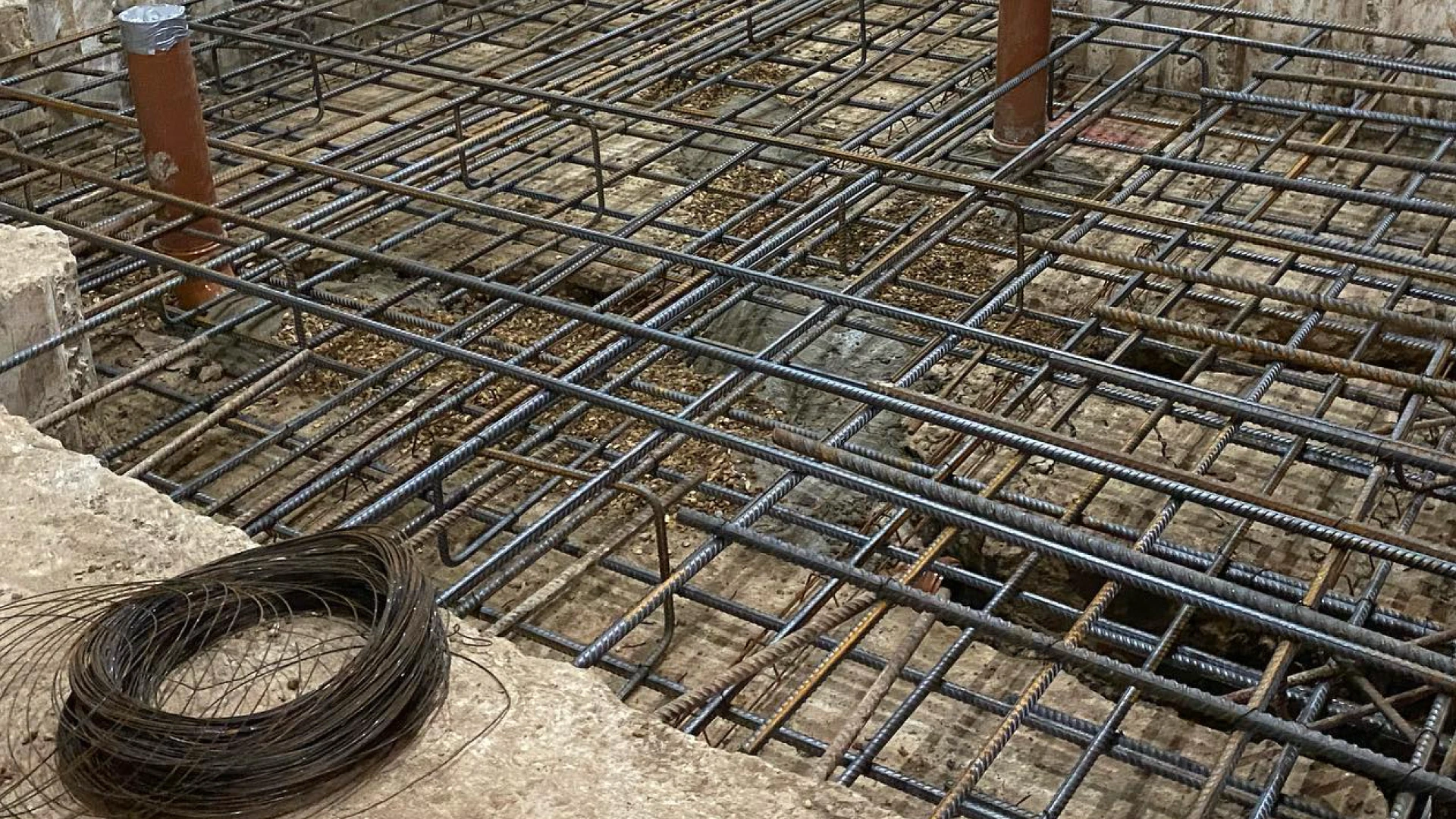
Basement conversions offer a way to add space without altering the footprint of your home — perfect for areas where extending upwards or outwards isn’t an option. However, they are among the most structurally demanding types of residential work, often involving excavation, underpinning, and major waterproofing measures.
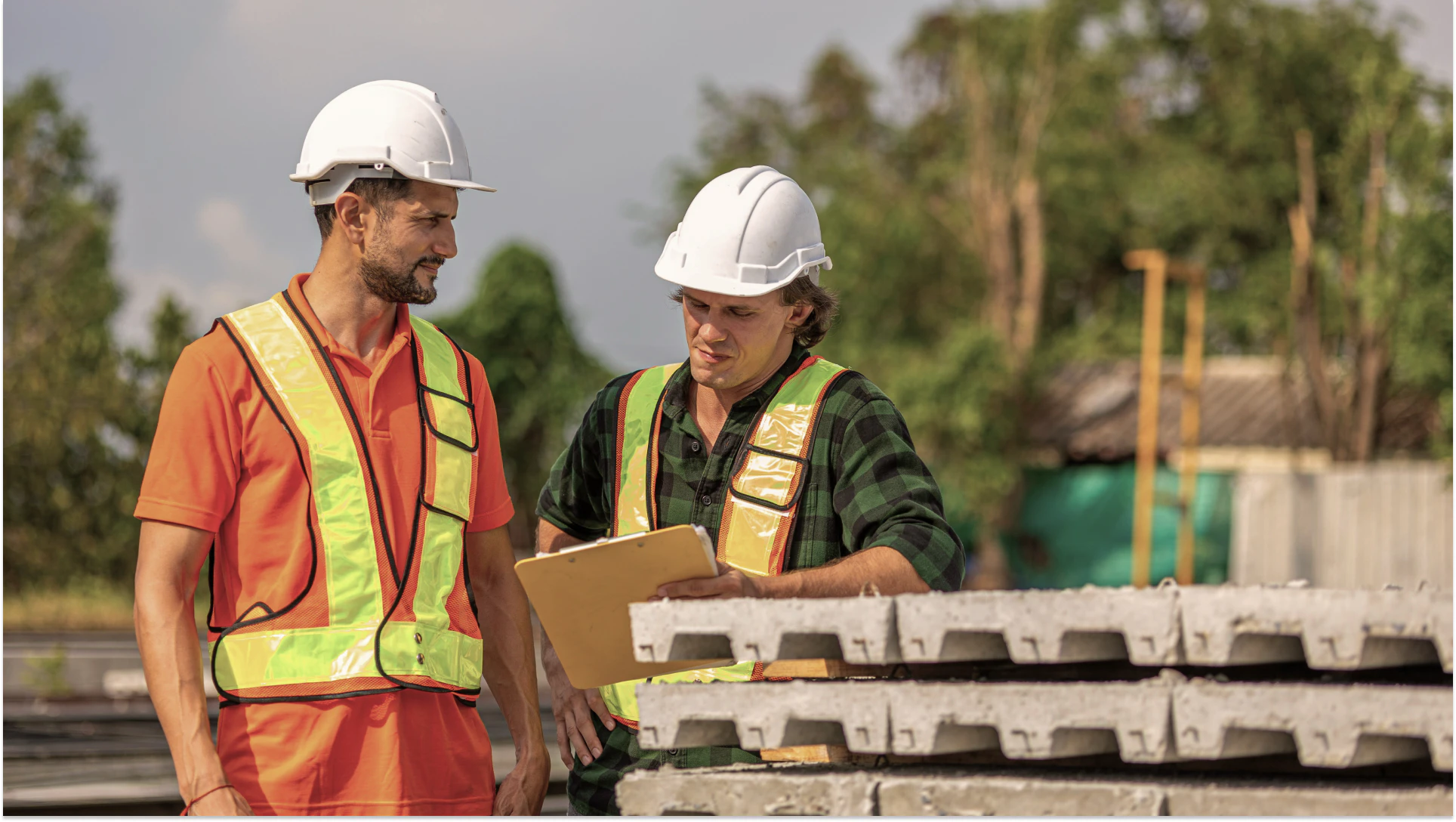
Because of the complexity, a structural engineer should be involved from the very start. They will assess soil conditions, design retaining structures, and ensure your home remains stable throughout the work. This not only protects your property but also ensures compliance with Building Regulations.
Key factors in a basement conversion
Before committing to a basement project, it’s important to be aware of the major technical and regulatory considerations:
- Structural stability – Ensuring walls and foundations are supported during excavation.
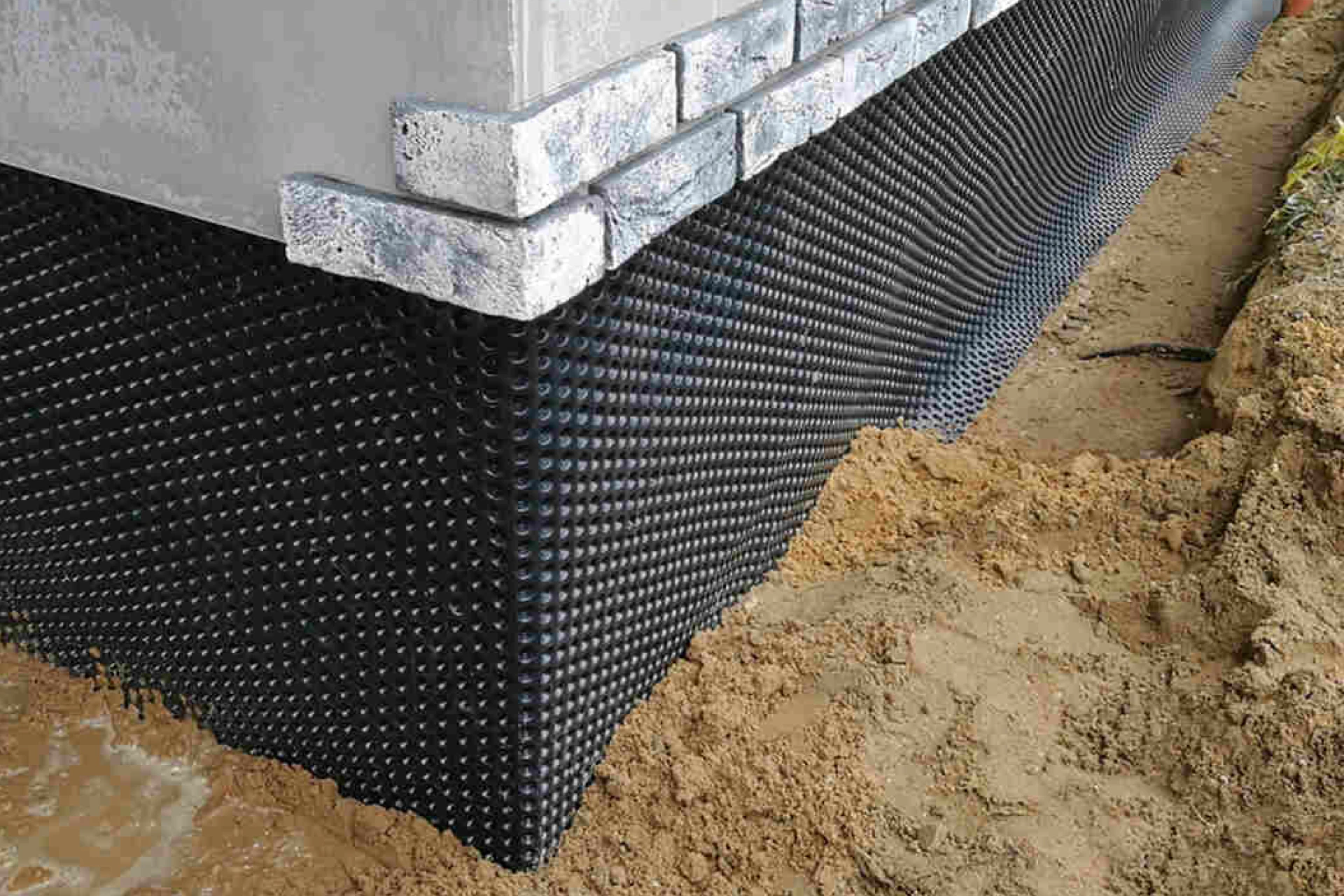
- Waterproofing – Installing robust systems to keep the space dry long-term.
- Planning and permissions – Some areas require planning consent in addition to Building Regulations approval.
- Access and headroom – Creating safe, comfortable entry points and usable ceiling heights.
- Cost implications – Basements can be more expensive per square metre than other types of extensions.
“A successful basement conversion is built on solid engineering and thorough waterproofing.”
Steps to prepare for a basement conversion
Thorough preparation is the key to avoiding delays and unexpected costs in a basement project. From early design work to contractor selection, each stage plays a role in delivering a safe, functional result.
Here’s a recommended process:
- Assess feasibility – Have a structural engineer evaluate the site and soil conditions.
- Develop detailed plans – Include structural drawings, waterproofing design, and drainage solutions.
- Secure approvals – Apply for necessary permissions and arrange Building Control inspections.
- Choose experienced contractors – Select builders with proven basement conversion expertise.
While basement conversions are challenging, they can dramatically increase your home’s usable space and value. By investing in proper planning and engineering, you ensure the finished space is safe, dry, and enjoyable for years to come.