

Planning permission is official approval from your local authority to carry out certain types of building work. It ensures that developments are appropriate for the area and comply with local planning policies. Not all projects require it, but failing to get permission when it’s needed can result in fines, enforcement notices, or being forced to undo the work.
Many small projects can be completed under permitted development rights, which allow certain changes without a formal planning application. However, these rights have limits — especially for flats, listed buildings, and homes in conservation areas.
Common projects that require planning permission
While rules can vary by location, here are some of the most common types of work that usually need approval:
- Large extensions – Those that exceed permitted development size limits.
- Loft conversions with major roof changes – Such as raising the roof height.
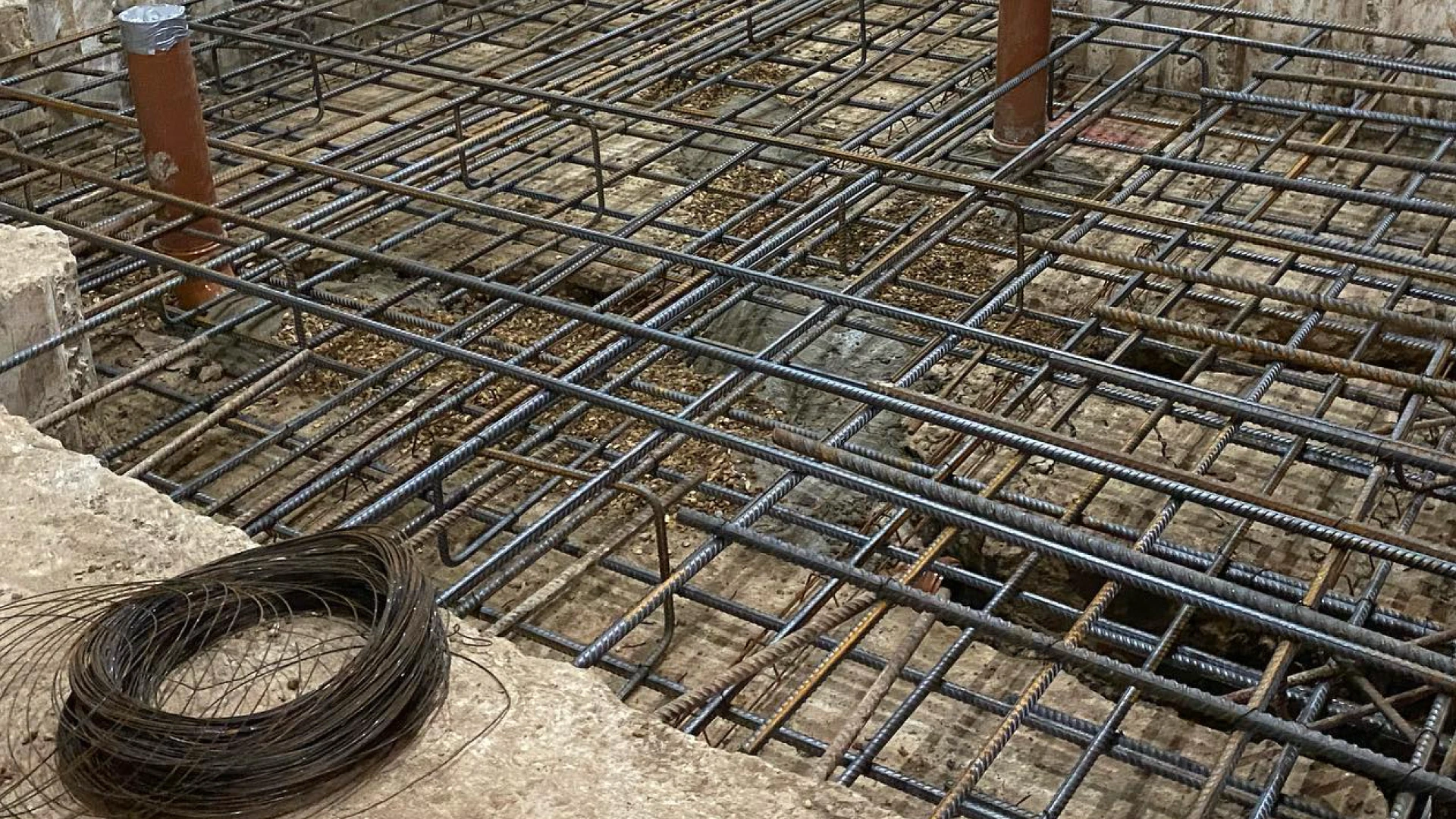
- Basement excavations – Particularly in conservation areas.
- Significant change of use – For example, converting a home into multiple flats.
- New builds – Any entirely new dwelling on a plot of land.
“Checking planning requirements early can prevent costly delays and unexpected problems.”

Steps to determine if you need permission
Before you begin, it’s essential to confirm your project’s planning requirements. Acting early ensures you can build without interruption or disputes.
Here’s how to check:
- Review permitted development rights – Available on the Planning Portal website.
- Consult your local authority – They can advise on local restrictions.
- Check for conservation area or listed status – These have stricter rules.
- Get professional advice – Architects or structural engineers can guide you through the process.
Knowing the rules from the outset helps you plan effectively and avoid unnecessary complications. Whether you need formal permission or can proceed under permitted development, taking the right steps ensures a smoother project from start to finish.