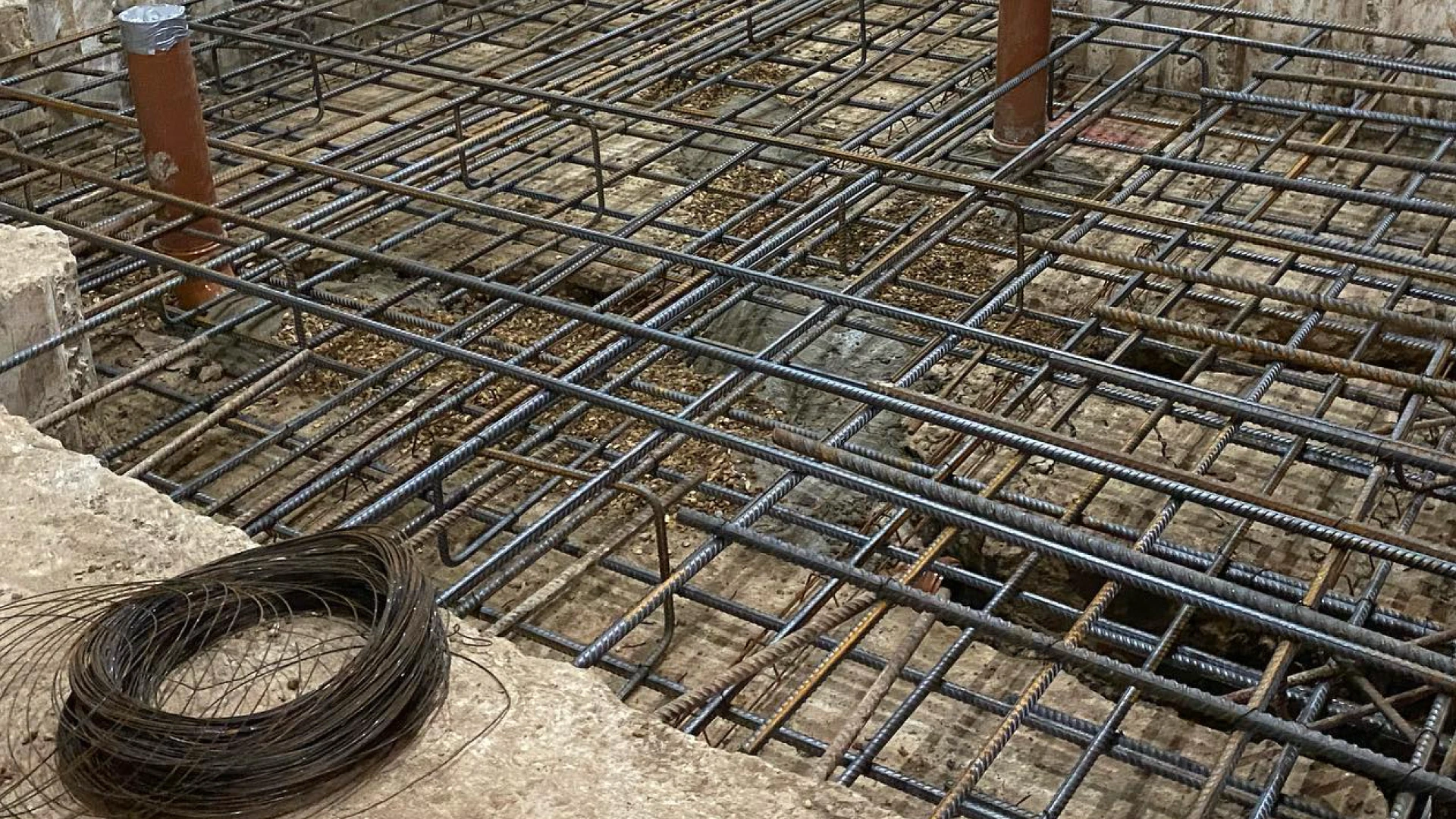


Turning your loft into a usable room involves more than just adding insulation and a staircase. The structure of your home must be assessed and, in most cases, altered to support the new space. This includes checking the strength of existing joists, introducing steel beams if required, and ensuring the roof structure can handle the additional load.
A structural engineer plays a vital role in this process, calculating the loads, specifying materials, and designing any reinforcements needed. These plans are also used to demonstrate compliance with Building Regulations — a requirement for most loft conversions.
Key structural considerations for loft conversions
Every home is different, but most loft conversions will need to address the following:
- Load-bearing capacity – Ensuring floor joists and supports can handle the weight of the new room.
- Roof structure modifications – Adjusting rafters or adding beams to create usable space.
- Head height – Making sure there’s enough clearance for the new room to be practical.
- Staircase positioning – Placing stairs without compromising the existing layout.
- Fire safety – Meeting escape route and fire resistance requirements.
“A well-designed loft conversion is as much about what’s beneath the floor as what’s above it.”
Steps to ensure structural success
By following a clear process and working with the right professionals, you can avoid costly mistakes and ensure your loft conversion is structurally sound from the outset.
Here’s how to approach the structural side of your project:
- Get a structural survey – Identify any weaknesses or modifications needed.
- Engage a qualified structural engineer – Have them design and specify reinforcements.
- Coordinate with your builder – Ensure they follow the engineer’s plans precisely.
- Arrange Building Control inspections – Verify compliance at key stages of construction.
A loft conversion can transform your home — but only if the structure is up to the task. By prioritising the engineering early, you’ll create a safe, comfortable space that adds value and functionality for years to come.