

A Party Wall Agreement is a legally binding document that outlines the rights and responsibilities of property owners when building work affects a shared wall, boundary, or structure. It’s required under the Party Wall etc. Act 1996 for certain types of work, such as building on the boundary line, cutting into a shared wall, or excavating near a neighbour’s foundations.
The agreement helps avoid disputes by setting out how and when the work will be done, who is responsible for any damage, and what measures will be taken to protect the neighbouring property. It is usually prepared by a party wall surveyor, who acts impartially to protect the interests of both sides.
When you need a Party Wall Agreement
Not all building work requires a Party Wall Agreement, but many common projects do. You’re likely to need one if your plans include:
- Building on or close to a boundary – For example, adding an extension right up to the property line.
- Cutting into a party wall – Such as inserting beams for a loft conversion.
- Raising or thickening a party wall – Increasing its height or structural capacity.
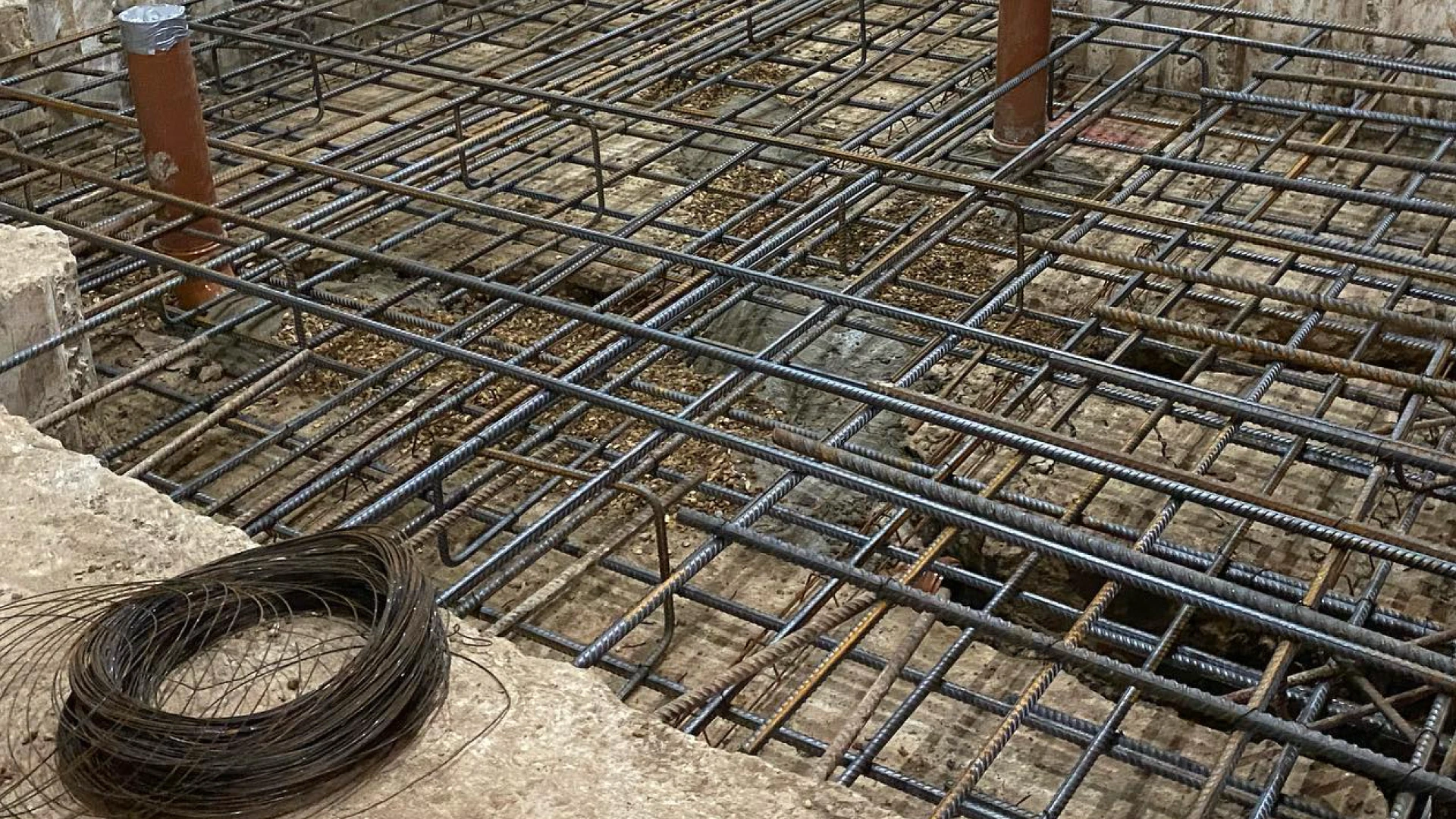
- Excavating near foundations – Digging for basements or deep footings close to a neighbour’s property.
- Demolishing a party wall – Removing or rebuilding a shared structure.
“A Party Wall Agreement protects relationships as much as it protects property.”

Steps to get a Party Wall Agreement
The process can take several weeks, so it’s important to factor it into your project timeline. Acting early avoids delays to your build and keeps your relationship with your neighbour on good terms.
Here’s a straightforward guide to securing your agreement:
- Check if your work is covered by the Act – Consult a structural engineer or surveyor if unsure.
- Serve written notice to neighbours – This must be done at least two months before work starts.
- Appoint a party wall surveyor – They will prepare the agreement and act impartially.
- Sign and exchange the agreement – Both parties keep a copy for reference.
By following the Party Wall Act’s requirements, you can move forward with confidence, knowing your project is compliant and your neighbour’s rights are respected. It’s a simple step that can save time, money, and disputes later on.