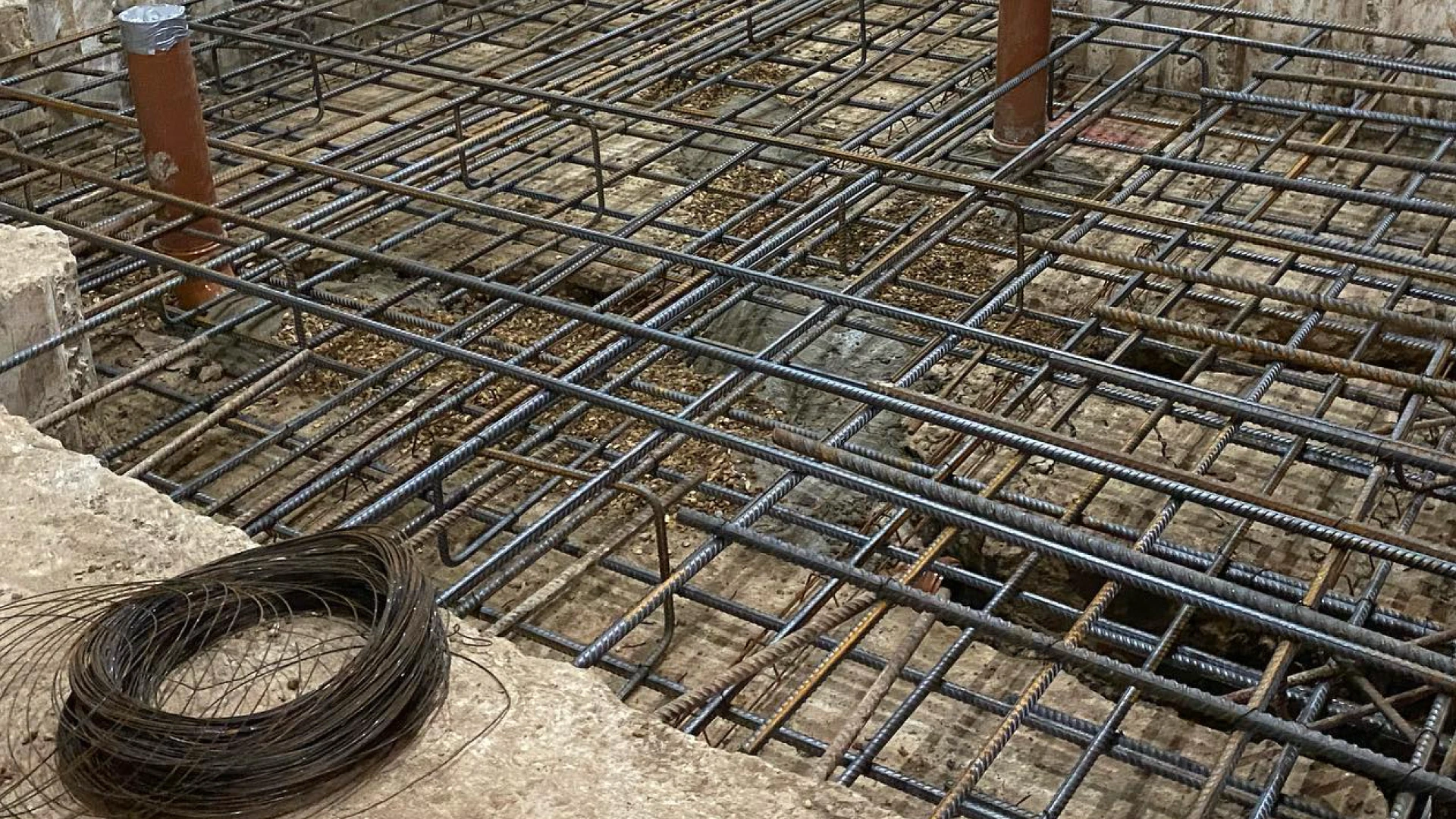


Commercial conversions — transforming offices, shops, and other business premises into residential or mixed-use spaces — are becoming increasingly attractive to developers and property owners. They make use of existing structures, often in prime locations, and can be delivered faster than new builds.
Recent changes to permitted development rights, along with shifting work patterns, have made many commercial buildings viable candidates for conversion. For investors and developers, this trend represents a significant opportunity in 2025 and beyond.
Factors driving the rise in conversions
Several economic, social, and legislative trends are fuelling this growth:
- Hybrid working – Reduced demand for office space leaves properties vacant.
- Permitted development rights – Easier change-of-use approvals for certain building types.
- Housing shortages – Conversions help meet urgent demand in urban areas.
- Sustainability goals – Reusing buildings reduces environmental impact.
- Prime locations – Many commercial sites are in central, well-connected areas.
“Commercial conversions can breathe new life into unused spaces while meeting critical housing needs.”
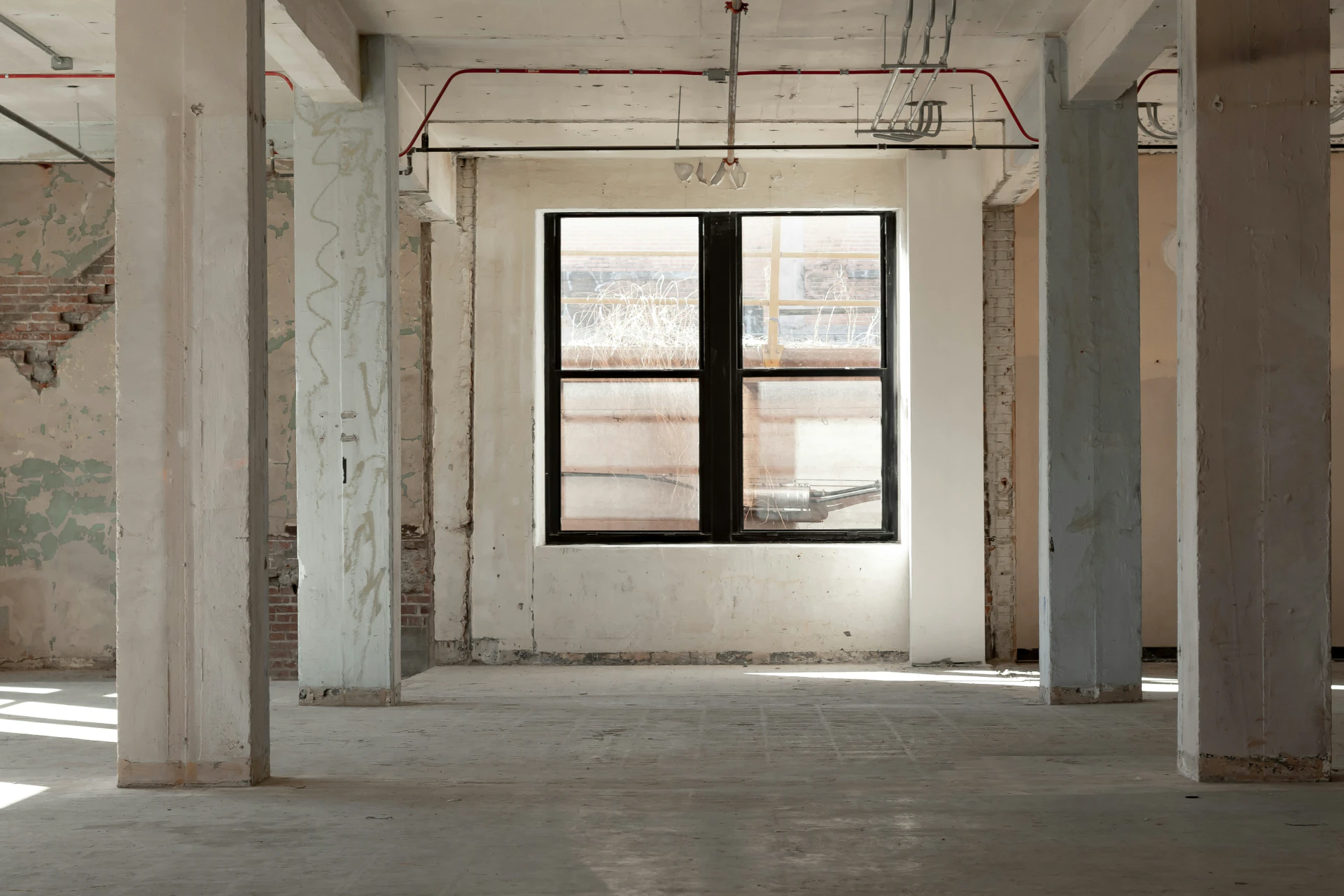
Steps to approach a commercial conversion
Successful conversions require careful assessment of the existing structure, planning requirements, and potential return on investment. Working with experienced professionals ensures compliance and maximises value.
Here’s a suggested approach:
- Assess structural integrity – Have an engineer evaluate the building’s suitability.
- Check permitted development eligibility – Confirm if planning permission is needed.
- Design for new use – Adapt layouts for residential or mixed-use purposes.
- Plan for building regulations compliance – Ensure fire safety, accessibility, and energy performance meet standards.
With the right strategy, commercial conversions can deliver strong financial returns while contributing to sustainable urban regeneration. In 2025, this trend is set to become a cornerstone of the property market.